OUR APPROACH TO SERVING THE ENVIRONMENT
Environmental Management encompasses climate change and biodiversity. We achieve this by applying best-in-class environmental management practices.
We are committed to producing metals with the lowest possible environmental footprint. To achieve this, we are dedicated to protecting the environment through applying best-in-class environmental management practices.
Our Environmental Policy addresses our most material impacts and guides our everyday activities. In alignment with our policy, we are continually seeking ways to strengthen our environmental culture and reduce our footprint. Environmental Management encompasses climate change and biodiversity.
Q1 2026 Highlights
5.90
ECO Score (vs target of 5.5 of 6)
2025: 5.59
100%
Renewable energy contracted
2025: 88%
Our Environmental Management
Our Commitments
To guide our actions on how we manage and protect the environment, we adhere to six fundamental Environmental Commitments. We will:
- Act and take decisions considering the impact on wildlife.
- Act and take decisions considering the impact on water quality.
- Only discharge authorised effluents.
- Receive authorisation from Mine Management before any construction.
- Report any environmental incidents to Mine Management.
- Report our environmental performance transparently.
ECO Score
To support our environmental commitments, we designed an in-house indicator that allows the distillation of our environmental performance in a single number, expressing it in a way that is universally understood. The ECO Score, implemented in 2015, is calculated by monitoring performance at each mining operation and the Company overall using a range of KPIs, which reflect compliance with discharge limits, regulatory findings, a zero-tolerance approach to environmental incidents, and sound environmental management relating to water consumption and waste generation. Further details are provided in our 2025 performance and in the ECO Score methodology.
Since 2021, the ECO Score has been independently assured by EY on an annual basis in line with the ISAE 3000 standard, as shown in our latest verification certificate.
Environmental Management System
Our Environmental Management System (EMS) ensures that we have good environmental practices in place and that we comply with all legal requirements, in alignment with ISO 14001:2015 and consistent with DNV. It builds upon the knowledge and professional experience of our personnel, resulting in a tailor-made system that works best for the Company.
Our EMS applies to all mine sites and includes processes such as environmental risk assessments, operational controls, communication and training, and the performance of internal audits at all operations at least once a year.
In 2025, the implementation of the EMS in our mine sites focused on advancing document management, implementing change management protocols, and improving the measurement and monitoring of environmental performance across our operations.
Focus areas
Water management
Water is a shared and increasingly scarce resource, and as it is essential to mining operations, recovery, reuse, and consumption key focus areas of our environmental strategy.
In 2025, we used 0.26 m³ of fresh water per tonne of ore processed, compared to our 2030 ambition of 0.22 m³/ tonne. To achieve this target, we have installed a reverse osmosis plant at Inmaculada that will increase recirculation and continue to reuse 100% of treated domestic wastewater at the Inmaculada and San Jose processing plants, and continue to seek ways to increase efficiencies in our water circuits. We also reduced potable water consumption to our lowest result to date, of 125 l/person/day in 2025. This is the result of initiatives such as installing electrovalves to optimise use and control, communication campaigns on efficient water use, and robust water-line monitoring.
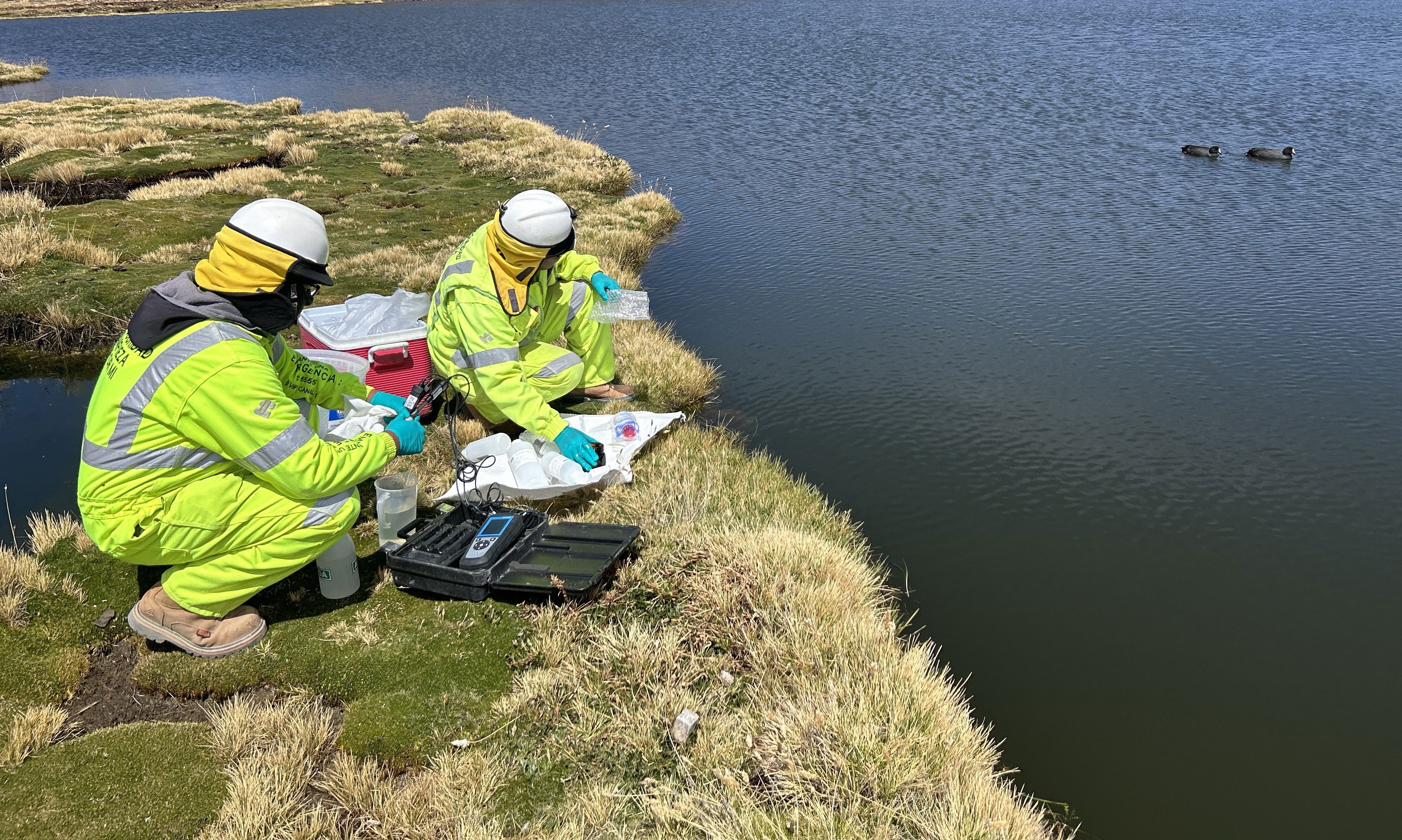
We have control systems and continuous inspections at all water treatment plants, effluent discharges, and all mining components related to environmental quality. This includes the close monitoring of around 2,000 parameters each year, as well as the participatory monitoring of water quality alongside authorities and members of the local community in Peru.
Waste
Hochschild recognises the damage that hazardous and non-hazardous waste can cause if not managed correctly. To minimise associated risks, we have extensive waste management plans and strategies in place in line with our 2030 ambition of repurposing 80% of waste generated and to limit domestic waste to 0.90 kg per person per day.
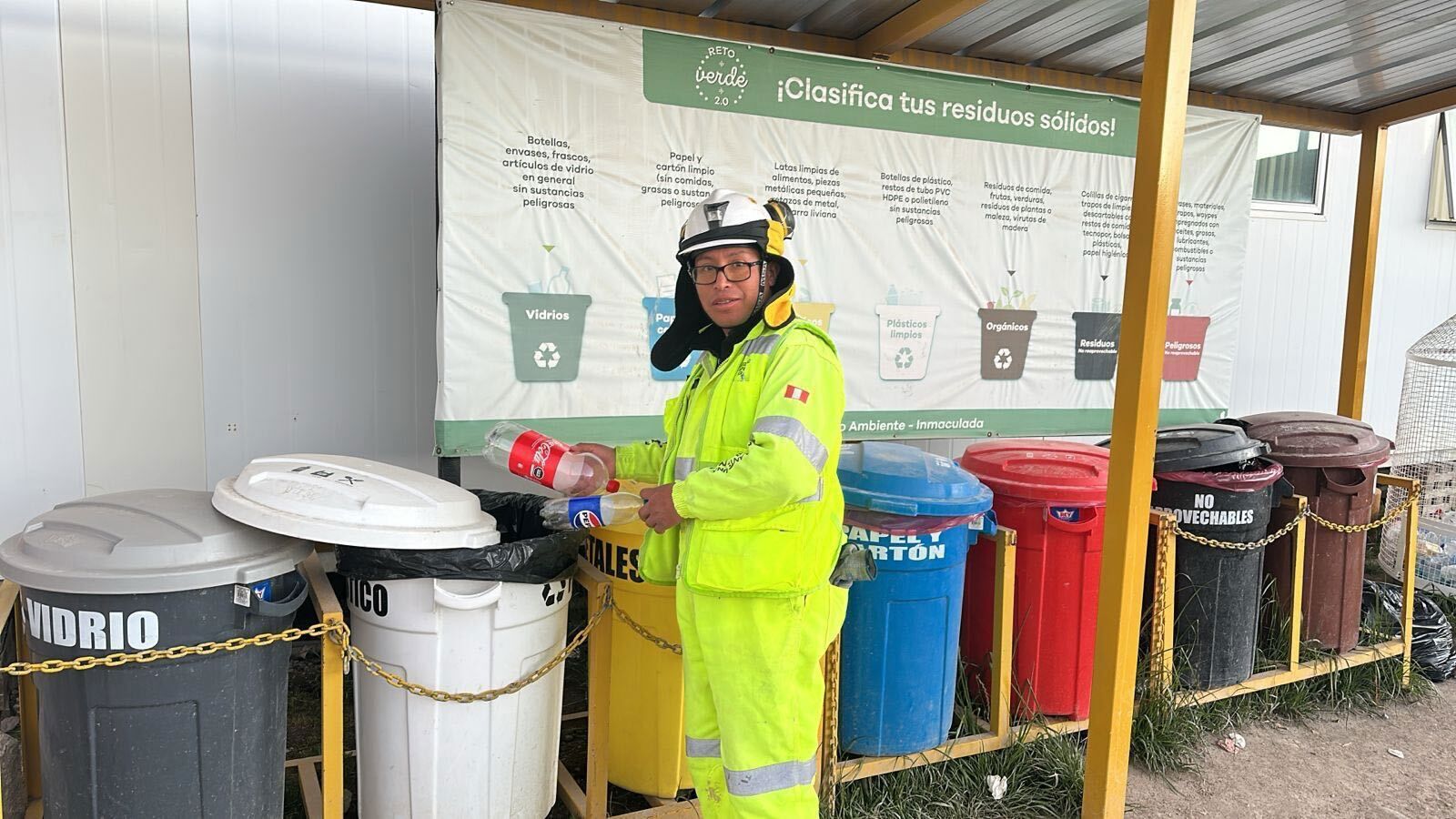
We strive to minimise landfill disposal and prioritise opportunities to reuse or recycle. Our efforts include composting at mine sites, strengthening segregation at source through training and communication, and proactively seeking opportunities to reduce waste generation. As an example, in San Jose we partnered with our catering service provider to eliminate single-use plastics by replacing disposable utensils with metal ones and introducing a salad bar to remove individually packaged bowls.
We do not generate any radioactive waste.
Waste rock and tailings
All waste rock and tailings are managed in accordance with our environmental permits, with purpose-made facilities for each waste type at all sites. We aim to reuse these materials where possible, including using both tailings and waste rock as backfill for the underground mines in Inmaculada and San Jose, and selling waste rock from Mara Rosa to a rail company, contributing to a circular economy.
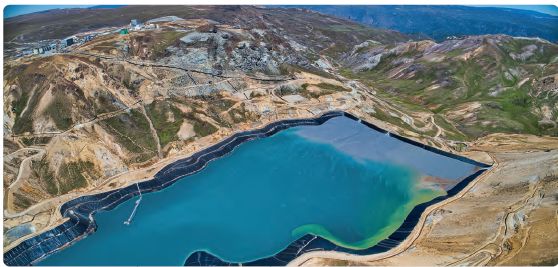
Hochschild has nine Tailing Storage Facilities (TSF). Our Church of England report on TSFs was updated in 2026, following the ICMM Global Industry Standard for Peruvian and Argentinian sites and the CDA standard for Brazil. To ensure the stability of our operational tailings facilities, we conduct external audits every two years. We also provide induction and training on the policies regulating TSF management for employees, and have a TSF Committee, chaired by the COO, which meets monthly and is responsible for reviewing the status of all TSFs, progress on works, and identifying general risks.
Air quality
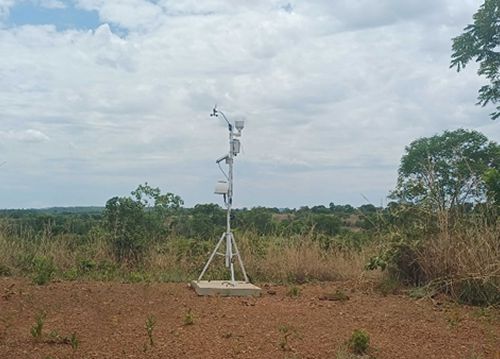
Hochschild's mining units do not generate significant emissions of nitrogen oxides (NOx), sulfur oxides (SOx), volatile organic compounds (VOCs), mercury, ozone-depleting substances, nor particulate matter. Therefore, these are not directly monitored. However, air quality is assessed at all mining units, at least quarterly, covering each of these pollutants. All measurements consistently meet the environmental quality standards established by the national laws of the countries in which we operate.
Climate Change
At Hochschild, we recognise the urgency of addressing climate change and are determined to play our part by continuously reducing our Greenhouse Gas (GHG) emissions. Our aim is to reach net zero GHG emissions by 2050, with an interim target to reduce our GHG Scope 1 and 2 market-based emissions by 30% against a 2021 baseline.
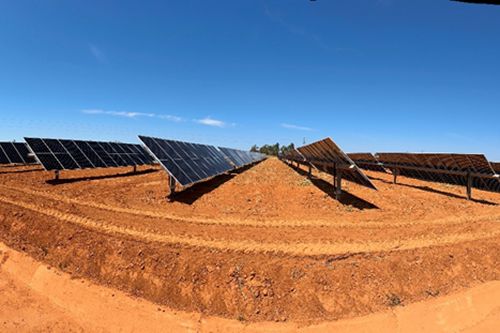
To achieve them, our efforts are focused on sourcing renewable electricity and transitioning towards low-emissions vehicles as they become readily available, as well as on applying operational changes at our existing mines and operations and the use of offset schemes.
Details of our approach to managing climate risks and opportunities can be found in the CFD report included in the 2025 Annual Report.
Biodiversity and ecosystem services
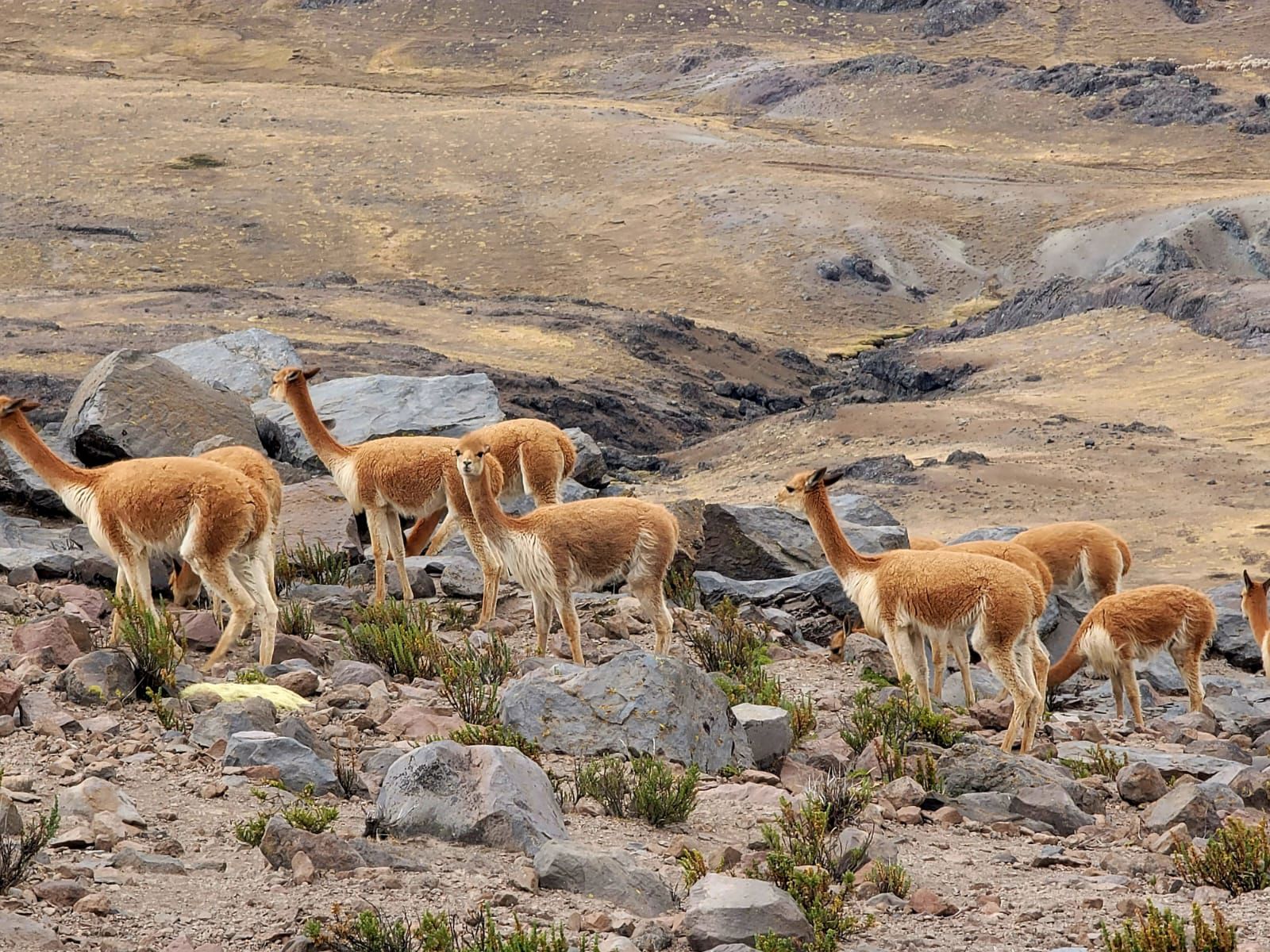
We are committed to protecting biodiversity and natural resources in the areas where we operate. Our environmental permits and Biodiversity Policy set out clear commitments to prevent biodiversity loss. At all sites, we conduct detailed baseline studies and monitor flora and fauna biannually throughout each stage of the life of our operations.
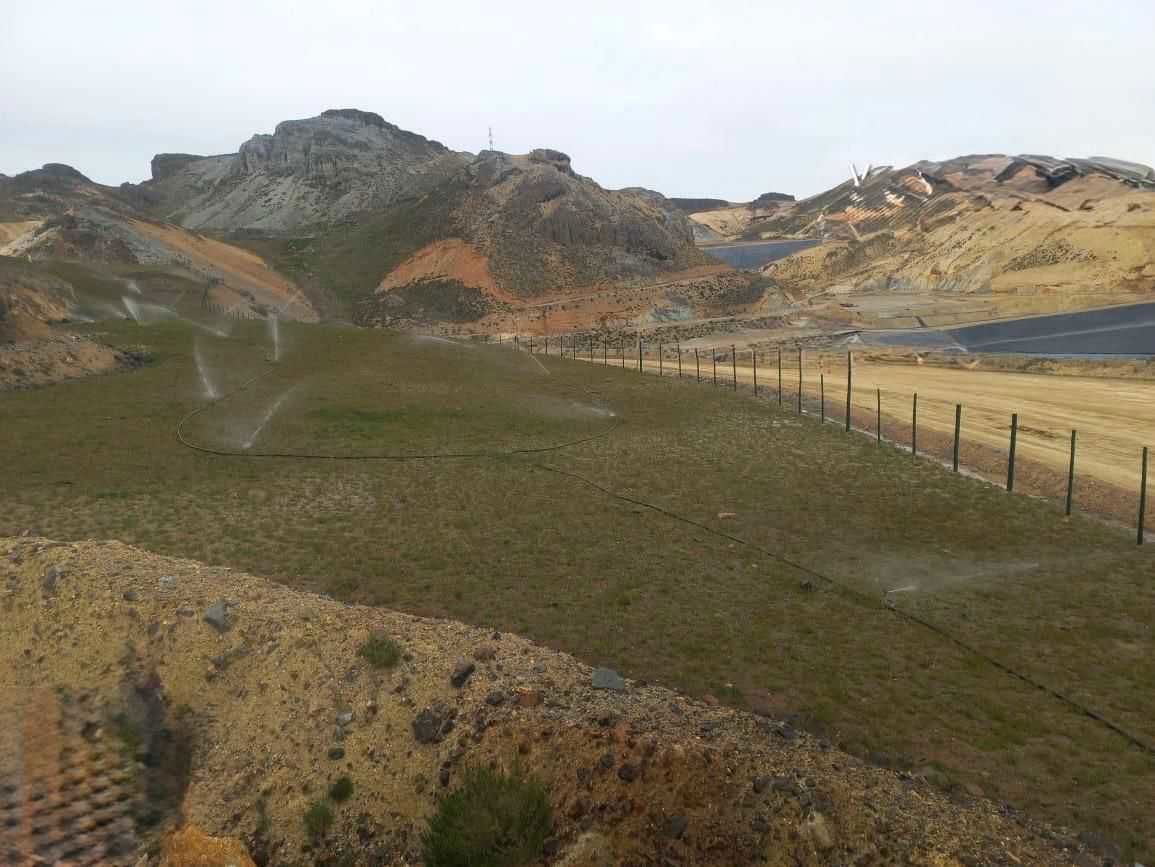
Where an ecosystem has been disturbed, we contribute to its rehabilitation and restoration in alignment with our mine closure programmes, and implement compensation plans to manage inevitable impacts on sensitive habitats. We currently have three compensation plans, with further details provided in the Case Studies below. We also invest in environmental education, cultural heritage appreciation, and community awareness initiatives, including the Knowledge Trail project.
In 2025, we conducted a gap assessment and peer benchmarking with a third-party specialist to obtain a clear view of our nature data maturity and preparedness to meet TNFD and CDP nature disclosures.